Obanazawa
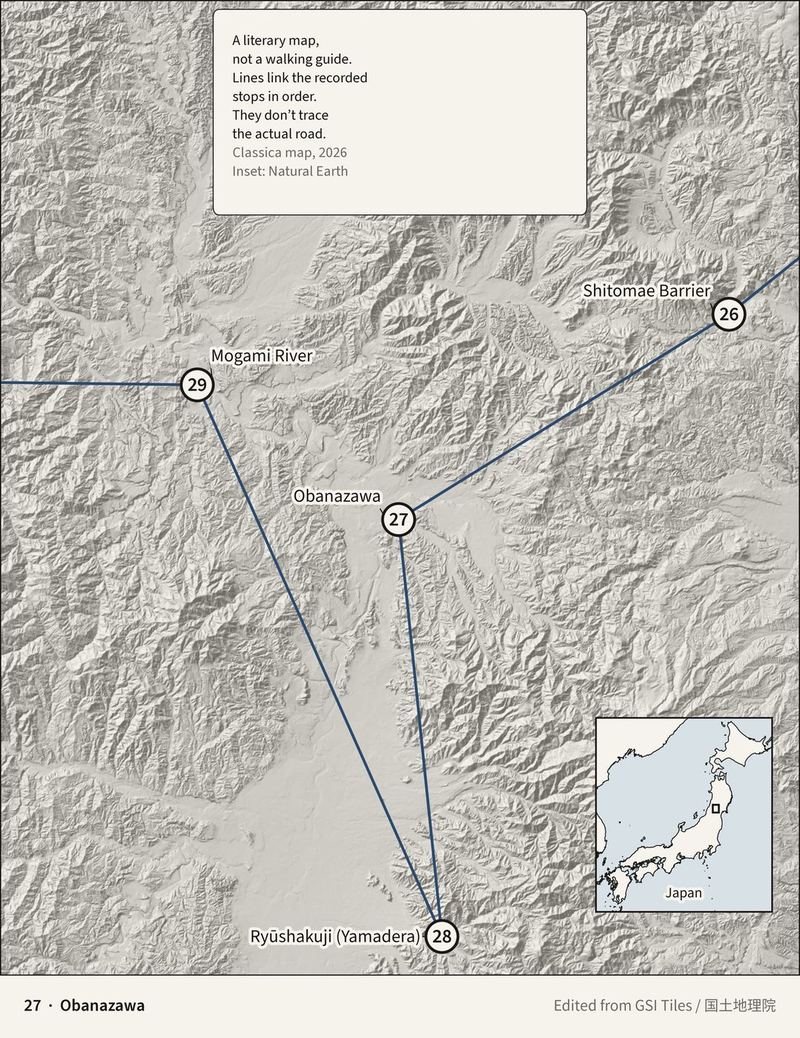
Map, Obanazawa
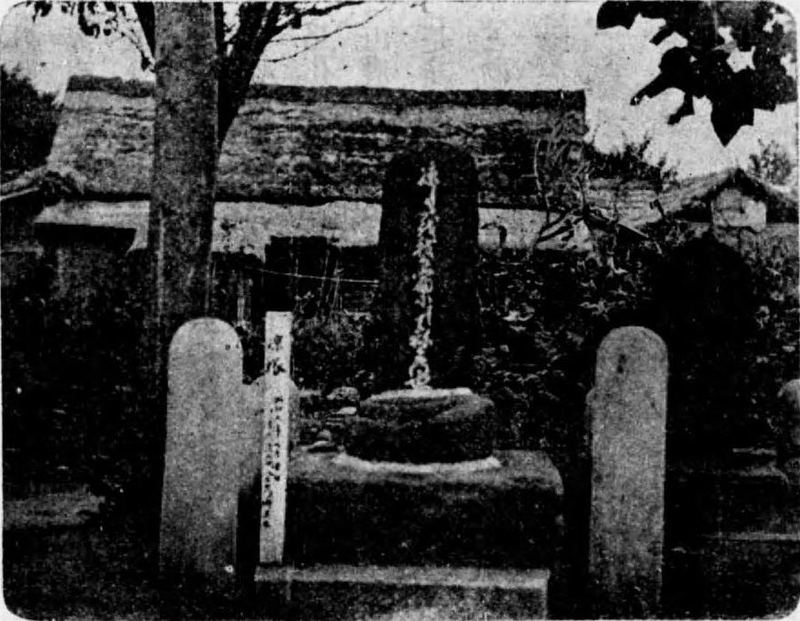
Suzushizuka, Obanazawa, 1934
At Obanazawa I called on a man named Seifū. He is wealthy, yet there is nothing mean in his spirit. He goes up to the capital now and then, and so he knows what travel is like; he kept us for some days, easing the strain of our long journey and treating us kindly in every way.
The cool of this placeI take as my own home,and lounge as I please
Come crawling out—from under the silkworm house,you toad with your croak
Calling to mindthe little brow-powdering brush—the safflower in bloom
The people who keepsilkworms here have the lookof the days of old— Sora
Traveler’s notes
At Obanazawa they stay with Seifū (清風), a wealthy man of no mean spirit who knows travel from visits to the capital and eases their long road.
凉しさを / 我宿にして / ねまる也: the cool (a summer kigo) he takes as his own lodging. 也 is read nari. ねまる is a northern word, to lounge or recline at ease, not simply “to sleep.”
這出よ / かひやが下の / ひきの聲: “Crawl out from under the silkworm house, toad.” かひや is a shed for raising silkworms; ひき, the toad, is a summer kigo. Sericulture is a local livelihood here.
まゆはきを / 俤にして / 紅粉の花: the safflower in bloom calls to mind the little brush for powdering brows. 紅粉の花 is read beni no hana (not kōfun); safflower yields the red of cosmetics, and this region was known for it.
Sora’s 蠶飼する / 人は古代の / すがた哉: people who raise silkworms (こがい, kogai) have the look of the days of old. 哉 is the cutting word kana.
1702 first printing
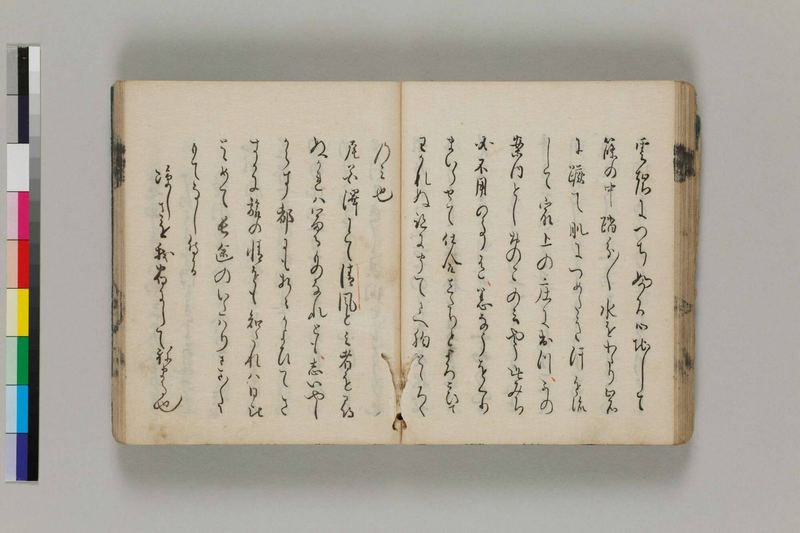
Oku no Hosomichi, 1702